Sold $121,000
1971 · Red
May 16, 2026 · Mecum Auctions
1970 to 1971 · Coupe · Limited edition · 652 built
Free to follow · no card needed · Also on iPhone


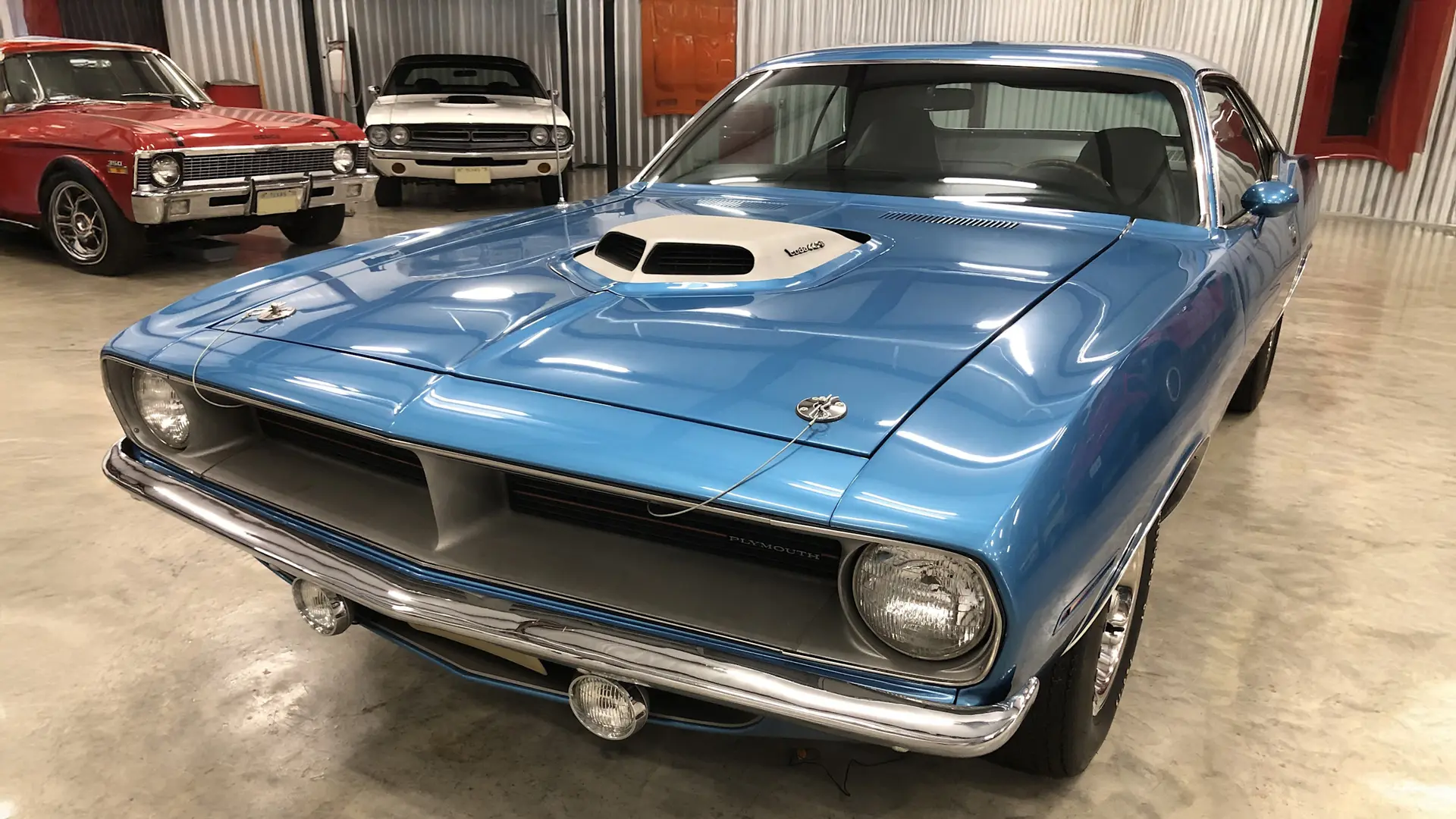

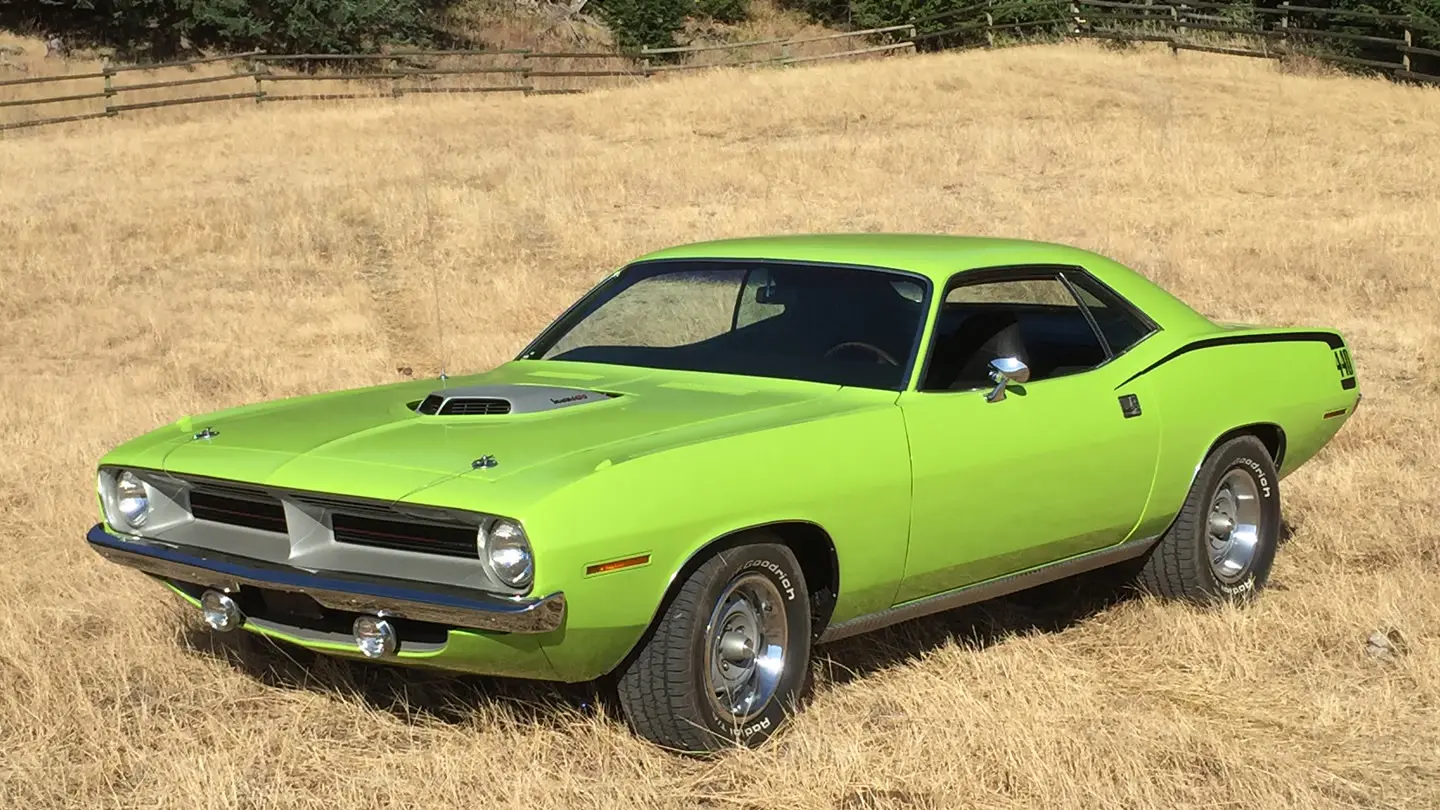
| Hemi Cuda1970 to 1971 | 340 Cuda1970 to 1974 | Hemi Cuda Convertible1970 to 1971 | |
|---|---|---|---|
| Shifty Estimate | $127,100 | $42,900Low confidence | $62,700Low confidence |
| Sold median | $113,8508 sales | Too few sales to call2 sales | $100,0004 sales |
| 12-month move | Too few sales to call | Too few sales to call | Too few sales to call |
| For sale | None | None | None |
Also on file, with no sale or listing yet: 383 Cuda, 440 Six Pack Cuda.
A 1970 Plymouth Cuda Hemi Cuda cost $4,000 new. Over the past 12 months, 6 have sold publicly at a median of $121,000. The Shifty Estimate for a well-kept example is $127,100. Cars have changed hands anywhere from $48,270 to $184,250, depending on mileage, color, and history.
The Shifty Estimate is $127,100. We rate confidence medium: 6 public sales in a year is a thin market, and the spread between them is wide.
It has appreciated 3078% against its $4,000 list price. Only 652 were built. The caution is spread, not direction: across the sales we have on file, prices ran from $30,000 to $203,500, and mileage explains most of that.
Shifty has 8 public sales of the Plymouth Cuda Hemi Cuda on file. The earliest was on May 14, 2026.
The highest public sale on file is $203,500, on May 16, 2026.
The 3 most recent public sales we have on file:
The Hemi 'Cuda coupe stands as the ultimate expression of American muscle car engineering. With only 652 built across 1970-1971, it's exponentially rarer than Camaros or Mustangs from the same era. The legendary 426 Hemi produced 425 horsepower and 490 lb-ft of torque, launching the lightweight E-body to 60 mph in five seconds and on to 140 mph. At $4,000, $1,000 more than a 383 'Cuda, the Hemi commanded serious money even when new. John Herlitz's aggressive styling perfectly matched the engine's brutal performance, creating an icon that defined the muscle car era. Today, Hemi 'Cudas are among the most coveted American collectibles, with pristine examples commanding six-figure sums. They represent the pinnacle of Detroit's horsepower wars, when manufacturers built street cars with genuine racing pedigree.